


Nobody planned to talk about the roof that morning. The meeting had already started when somebody noticed a bucket sitting near the reception desk. It had been left there overnight because water had found its way through the ceiling again. Not a heavy leak. Just enough to make people look up. That little bucket usually changes the conversation. The first question is rarely whether the ceiling needs repairing. People start wondering how long the roof has been trying to get their attention. Owners who Learn More about Commercial Roofing before reaching that stage often discover the leak itself is only one small part of the story.
One Leak Can Mean Very Different Things
Not every leak carries the same message. A maintenance worker drops a tool while servicing rooftop equipment. A membrane gets damaged. That repair is normally straightforward. A different building develops another leak six months after fixing the first one. Then another appears near a roof drain after heavy rain. Those situations look similar from inside the building. They are not. One points to an isolated repair. The other starts raising bigger questions.
Contractors Rarely Decide From the Ground
Standing beneath a ceiling stain only tells part of the story. The real investigation begins on the roof. There is usually a slow walk first. Around the drains. Past the rooftop equipment. Along the seams. Corners where water sometimes sits a little longer than it should. None of those places automatically explains the leak, but together they begin painting a picture. It takes time. Sometimes more time than owners expect.
Age Is Part of the Story
People often ask how old the roof is. Fair question. The answer helps, although it rarely settles anything on its own. Think about two buildings finished in the same year. One has been inspected regularly and drains well after every storm. The other has standing water that lingers for days whenever heavy rain passes through. Put those roofs side by side after fifteen years and they may have very little in common. The calendar does not see maintenance.
Repairs Still Solve Plenty of Problems
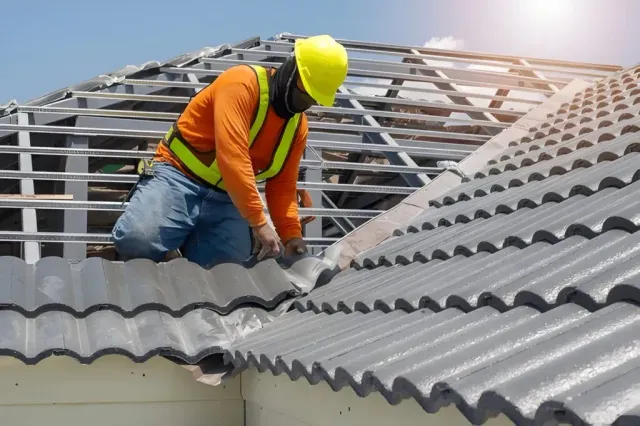
It is easy to assume another leak automatically means replacement. Quite often, it does not. Loose flashing. Worn sealant. A puncture left behind during maintenance work. Storm damage affecting one section of the membrane. Problems like these can usually be repaired without replacing everything around them. Typical examples include:
- Flashing damaged around rooftop equipment
- Small membrane punctures
- Localised storm damage
- Ageing sealant
- Minor seam separation
Finding those issues early changes the repair itself. Smaller repairs usually stay smaller.
There Is Also a Time to Stop Patching
Some roofs keep asking for attention. A repair here. Another one near the opposite corner a few months later. Then another. Eventually the invoices begin telling their own story. The cost of repeated repairs starts catching up with the cost of replacement, and the interruptions become just as frustrating as the leaks themselves. That is normally when the discussion changes. Not because of one repair. Because of all the repairs together.
Looking Beyond the Next Leak
Commercial roofs do not usually reach the end of their life in a single afternoon. It happens gradually. Water remains around a drain a little longer than before. Flashing begins lifting. A seam opens slightly. Nothing dramatic. Nothing urgent by itself. Then those small things begin connecting. Businesses that Learn More about Commercial Roofing often find the decision between repairing and replacing becomes much clearer once they stop looking at individual leaks and start looking at the pattern the roof has been creating over the years.