
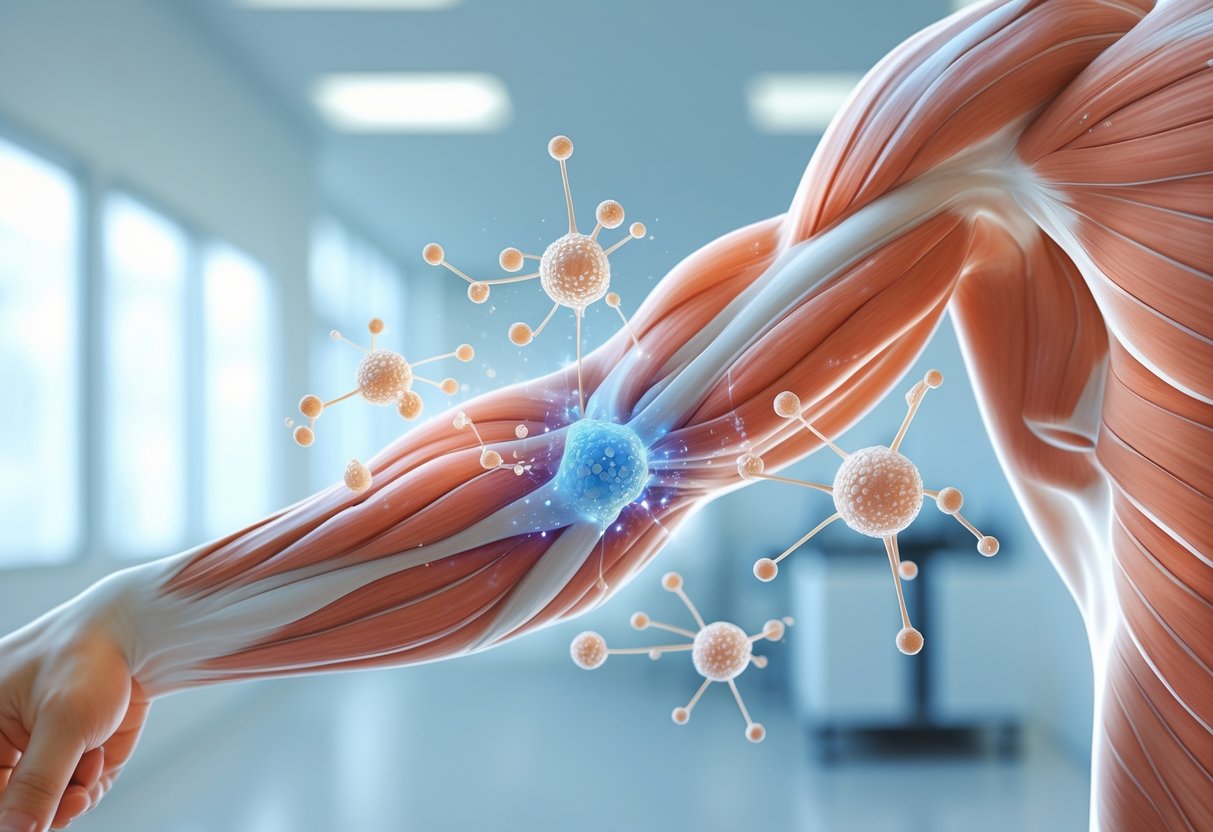
Bone repair depends on signals that coordinate several biological steps. Early responses prepare damaged tissue for rebuilding activity. This makes peptides for bone healing by Pocket Dentistry relevant to current regenerative thinking. Such compounds may influence cellular communication during recovery. Their possible role involves collagen formation, circulation, and tissue organization. Each process contributes to the gradual rebuilding of damaged bone.
Bone Repair Begins With Cellular Signals
Once injury occurs, nearby cells begin sending repair signals. Those messages help coordinate activity around damaged tissue. Certain peptides may influence these communication pathways during recovery. As signaling continues, connective material begins forming around injured areas. That early framework supports later stages of bone development.
Which Peptide Actions May Aid Formation?
Bone-building cells depend on signals during tissue reconstruction. Peptides may affect cellular movement and matrix development. Their influence can vary according to biological pathway and application. Timing also matters because healing stages have different demands. Clinical treatment still remains central for fracture management.
Blood Supply Creates Better Healing Conditions
Developing tissue needs oxygen and nutrients during reconstruction. Vascular signaling may support circulation around injured bone. Improved blood delivery can help active cells receive essential resources. Nutrition then supplies materials required for structural rebuilding.
Useful recovery habits can support those biological conditions:
- Protein supplies amino acids for tissue construction.
- Calcium contributes minerals for developing bone.
- Vitamin D supports normal mineral regulation.
- Rest gives damaged tissue recovery time.
Collagen Gives New Tissue Its Framework
Before mineralization becomes more established, collagen forms supporting tissue. Peptide signals may influence fibroblast activity during this stage. That connection matters because organized scaffolding supports developing bone. For people exploring peptides for bone healing by Pocket Dentistry, collagen offers an important biological perspective. Matrix quality can affect how later mineral formation progresses.
Stable Fragments Allow Biological Repair
Biological signals cannot overcome excessive movement between fragments. Stabilization gives newly developing tissue a controlled setting. Later, measured loading can provide mechanical stimulation during remodeling. Recovery therefore needs progression based on healing status. Sudden activity can place unnecessary stress on developing tissue.
Several practical habits can reinforce that approach:
- Follow prescribed movement limits during early recovery.
- Keep protein intake consistent throughout treatment.
- Avoid smoking while active repair continues.
- Attend follow-up imaging appointments as scheduled.
Precision May Shape Future Peptide Therapy
Future peptide treatments could target distinct healing stages. One approach might support vascular development during early repair. Another could influence matrix formation at a later point. This staged view offers a useful change in perspective. Recovery quality matters alongside the time required for healing. A carefully matched signal could therefore serve a more focused purpose.
FAQs
Can peptides replace fracture stabilization?
No, stable positioning remains essential for proper bone repair.
Can peptides guarantee faster recovery?
No, outcomes depend on injury severity and individual biology.
Why does collagen matter during bone healing?
Collagen creates scaffolding for subsequent mineral development.
What supports recovery alongside peptide research?
Nutrition, controlled movement, rest, and clinical monitoring remain important.