

Understanding the Relationship Between Food Choices and Dental Health
The foods people choose to eat throughout their lives reveal far more than simple taste preferences. Texture preferences in particular offer fascinating insights into future patterns of tooth wear, whilst simultaneously providing opportunities for protective dietary modifications. Research has increasingly demonstrated that the mechanical properties of foods consumed over decades play a significant role in determining the longevity and functionality of natural dentition.
Dental professionals such as a dentist Pinner observe that patients who consistently favour harder, more abrasive foods throughout their youth and middle age often present with distinctive wear patterns by their later years. This correlation between dietary texture and enamel erosion has prompted renewed interest in understanding the causes and prevention of tooth wear, particularly as populations live longer and wish to retain their natural teeth well into advanced age.
Early Life Texture Preferences and Their Long-Term Impact
Children who demonstrate strong preferences for crunchy, hard foods such as raw vegetables, nuts, and crusty bread engage their teeth in ways that differ substantially from those who favour softer alternatives. Whilst these harder textures provide beneficial jaw development and can help clean tooth surfaces naturally, they also initiate patterns of mechanical wear that accumulate over time.
The enamel layer, though remarkably durable, gradually thins through decades of mastication. Studies examining the relationship between dietary habits and tooth surface loss have revealed that individuals with lifelong preferences for particularly abrasive foods may experience accelerated wear patterns compared to those with more varied textural preferences.
Recognising the Signs of Texture-Related Tooth Wear
Dental practitioners regularly identify several characteristic indicators of diet-related tooth wear during routine examinations. These signs include flattened biting surfaces, increased tooth sensitivity to temperature changes, and visible thinning of enamel, particularly on the chewing surfaces of molars.
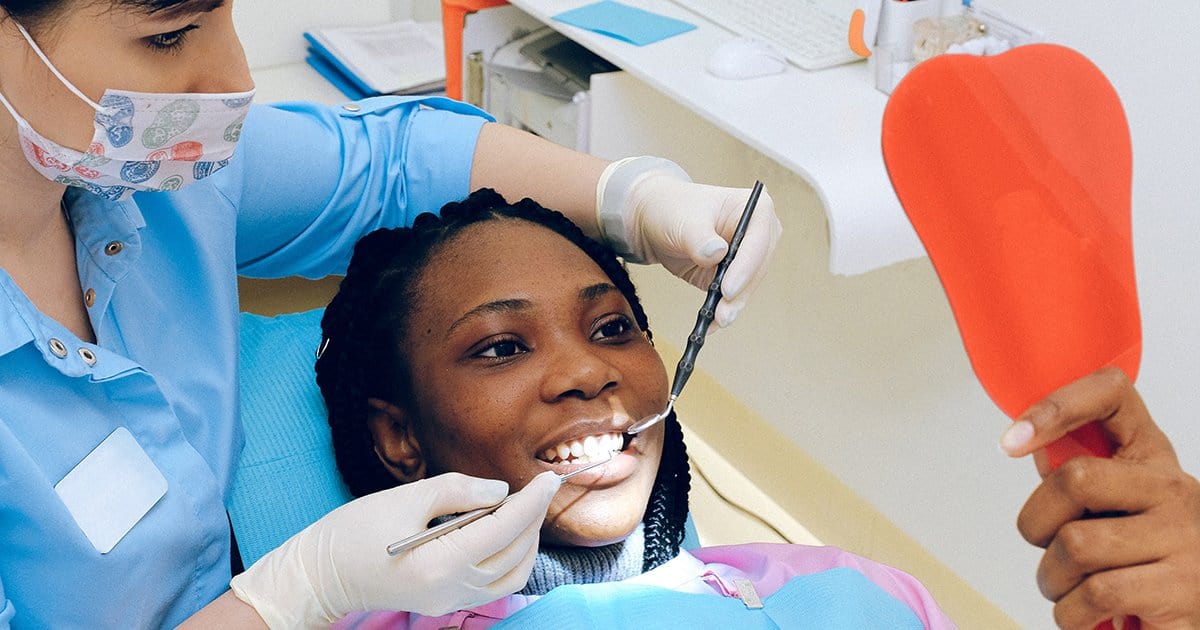
Patients visiting a dentist for comprehensive care often discover that their long-standing dietary habits have contributed to wear patterns they had not previously noticed. Regular dental assessments enable early detection of these changes, allowing for timely intervention before significant structural compromise occurs.
Common Wear Patterns Associated with Specific Textures
- Hard, crunchy foods create concentrated pressure points that can lead to cusp fractures and enamel chipping
- Sticky, chewy textures may contribute to pulling forces that stress existing restorations
- Acidic foods, regardless of texture, soften enamel temporarily and increase susceptibility to mechanical wear
- Extremely cold or hot foods can cause microscopic cracks through thermal stress
Protective Dietary Adjustments for Preserving Chewing Function
Fortunately, understanding the connection between texture preferences and tooth wear enables individuals to make informed protective adjustments without sacrificing nutritional quality or enjoyment. These modifications need not be dramatic; rather, they represent thoughtful alterations that can significantly extend the functional lifespan of natural dentition.
One effective strategy involves alternating between harder and softer food textures throughout the day, thereby distributing mechanical stress more evenly across different teeth. This approach prevents the repetitive loading of specific tooth surfaces that accelerates localised wear. Additionally, timing matters considerably—consuming harder foods earlier in meals, when saliva production is highest, provides natural lubrication that reduces friction.
Practical Modifications for Different Life Stages
During middle age, when cumulative wear begins to manifest more noticeably, individuals benefit from gradually incorporating softer preparations of favourite foods. Lightly steaming vegetables rather than consuming them raw, choosing ground nuts over whole varieties, and selecting tender cuts of meat all maintain nutritional value whilst reducing mechanical demands on teeth.
For those in later life, protective adjustments become increasingly important. Soups, stews, and slow-cooked dishes offer excellent nutrition with minimal abrasive action. Those seeking guidance on frequently asked questions about erosive tooth wear will find valuable information about balancing dietary enjoyment with dental preservation.
Professional Guidance and Monitoring
Regular consultations with dental professionals remain essential for monitoring wear patterns and adjusting dietary recommendations accordingly. Modern dental practices employ advanced imaging techniques that can detect subtle changes in tooth structure long before they become symptomatic, enabling proactive rather than reactive management.
Dental teams can provide personalised assessments of individual wear patterns, identifying which specific textures may be contributing most significantly to deterioration. This tailored approach ensures that dietary modifications address actual risk factors rather than imposing unnecessary restrictions on food enjoyment.
Preserving Natural Teeth Through Informed Choices
The relationship between meal texture preferences and tooth wear represents a manageable aspect of dental health when approached with awareness and appropriate guidance. By understanding how dietary choices throughout life influence dental longevity, individuals can make informed adjustments that preserve chewing function well into advanced age. These protective measures, combined with regular professional monitoring and good oral hygiene practices, enable people to maintain their natural dentition and continue enjoying a varied, nutritious diet throughout their lives.